Import contacts into Rolodex from LinkedIn, Gmail, Outlook, Yahoo, iCloud, your phone, a CSV file, Dex, or business card scan. Step-by-step guide for every import method.
Discover how Rolodex can help you consolidate your contacts from multiple platforms with this helpful guide. Say goodbye to scattered contacts and hello to unified organization!Begin by choosing the platforms from which you’d like to import your contacts.
LinkedIn
Email
Address Book
Phone
CSV File
Card Scanner
Dex Import
Enhance
Rolodex integrates directly with LinkedIn. Once your account is connected,
your connections flow into Rolodex and stay up to date on their own—Rolodex
refreshes your contacts’ titles, profile pictures, and more, so nothing goes
stale.You’ll also receive notifications whenever a connection updates their
title—a useful signal for when to reach out.LinkedIn sync is set up from the Rolodex mobile app, and only needs to be
done once.
Set up LinkedIn sync
Step-by-step setup, with screenshots from the mobile app.
After setup, the following data syncs every 3–5 days:
Title
Bio
Work experience
Education history
Location
Company
Looking to import a contact you’ve recently exchanged emails with? You can import your contacts from Gmail and Outlook!Rolodex’s integration with your email accounts allows you to view relevant email threads, update the last interaction, and provide a complete picture of your communications with every contact.How to connect your Gmail account?How to connect your Outlook account?
Want to bring contacts in from an email account without connecting it for ongoing sync — or import from a provider Rolodex doesn’t sync with, like Yahoo, iCloud, or AOL? Rolodex can pull a one-time copy of your address book from more than 25 providers.
How this differs from connecting Gmail or Outlook. Connecting an account under Settings → Connected Accounts keeps working in the background: it pulls calendar events and email history on an ongoing basis to build interaction timelines on your contacts. An address book import is a one-time snapshot — it brings the contacts across and stops there.Pick the address book import if you only want the contacts, or if your email provider isn’t Google or Microsoft.
1
Open the import page
In Rolodex, go to settings and open the Import page.
2
Scroll to Other sources
Scroll down to the Other sources section and start an address book import. A window opens listing every provider you can import from.
3
Choose your provider
Pick the address book you want to import from:
Google — Sign in with Google
Microsoft — Outlook.com, Microsoft 365, Outlook
Apple — iCloud, Mac Contacts
Other major providers — Yahoo, AOL, Mail.com, GMX, Yandex, Mail.ru, QQ mail, Naver
Generic CSV — upload a contacts export from any other tool
Importing a CSV? The CSV File tab above covers Rolodex’s own CSV importer, which lets you map columns to specific Rolodex fields and import companies as well as contacts. Use that one if you want control over how your data lands.
4
Sign in and confirm
Sign in to the provider you chose and approve access to your contacts. Rolodex then adds them to your workspace.
Which details come across depends on the provider — most supply names, email addresses, and phone numbers, and many also include company, job title, and physical address.
Re-importing won’t create duplicates. Address book imports follow the same matching rules as CSV import: if a contact matches one you already have (by email, then LinkedIn, then exact name), Rolodex updates it instead of creating a second copy.
Rolodex uses CloudSponge to handle address book imports, so you’ll see their name on the provider’s permission screen when you sign in.
You can quickly add contacts to your Rolodex workspace by importing them directly from your phonebook using the mobile app. When you start the import, you’ll have the option to bring in all your contacts or handpick the ones you’d like to include.
Importing contacts from your phonebook is only available through the Rolodex mobile app. Make sure you have the app installed to access this feature.
2
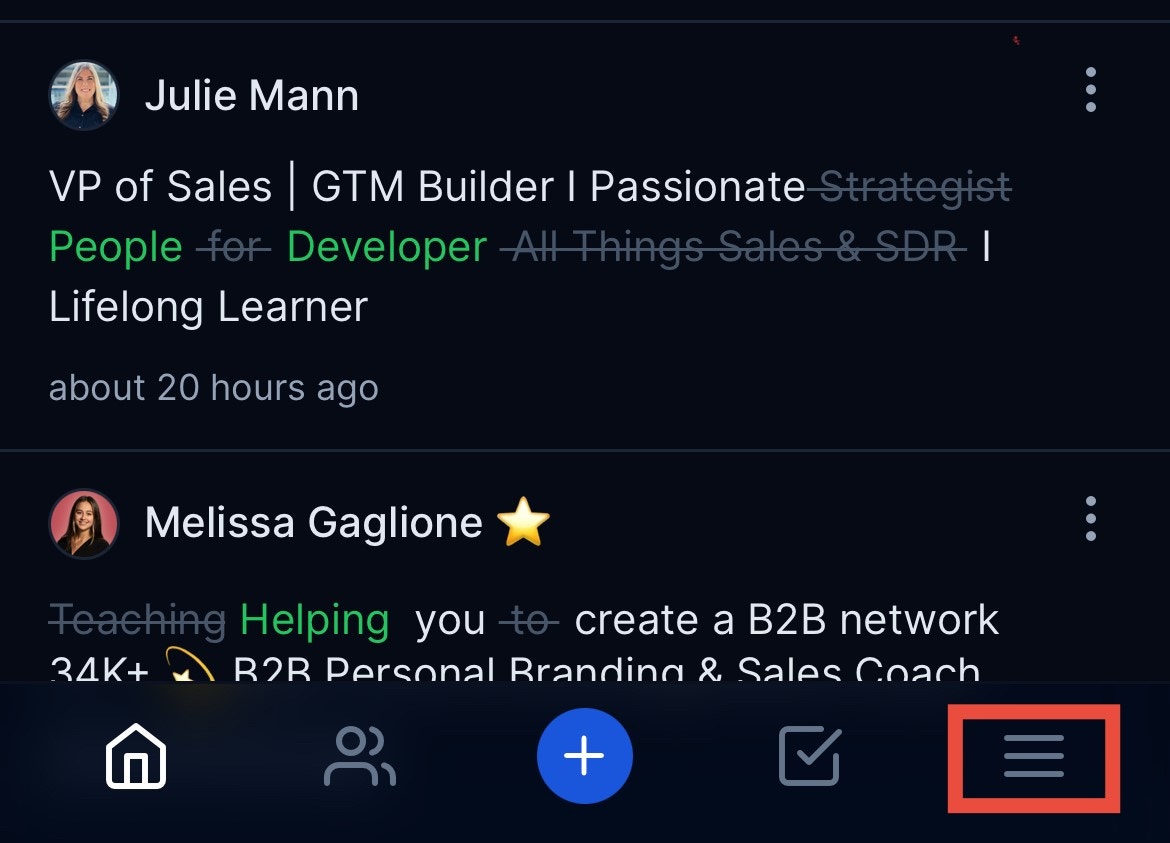
Click the menu in the bottom right corner
3
Click on "Import Contacts"
Give Rolodex access to either all of your contacts or select which contacts it should have access to.
If you want to change which contacts Rolodex has access to at a later stage, you have to permit those accesses in your phone settings.
All relevant data stored on your phone contact should be imported:
Email addresses
Phone numbers
Name
Job title
Company
Birthday
Contact image/photo
Social media profiles
Website URLs
Physical addresses
Whether you’re bringing contacts from Dex, Notion, Airtable, or another CRM, you can also import contacts as a .CSV file.
1
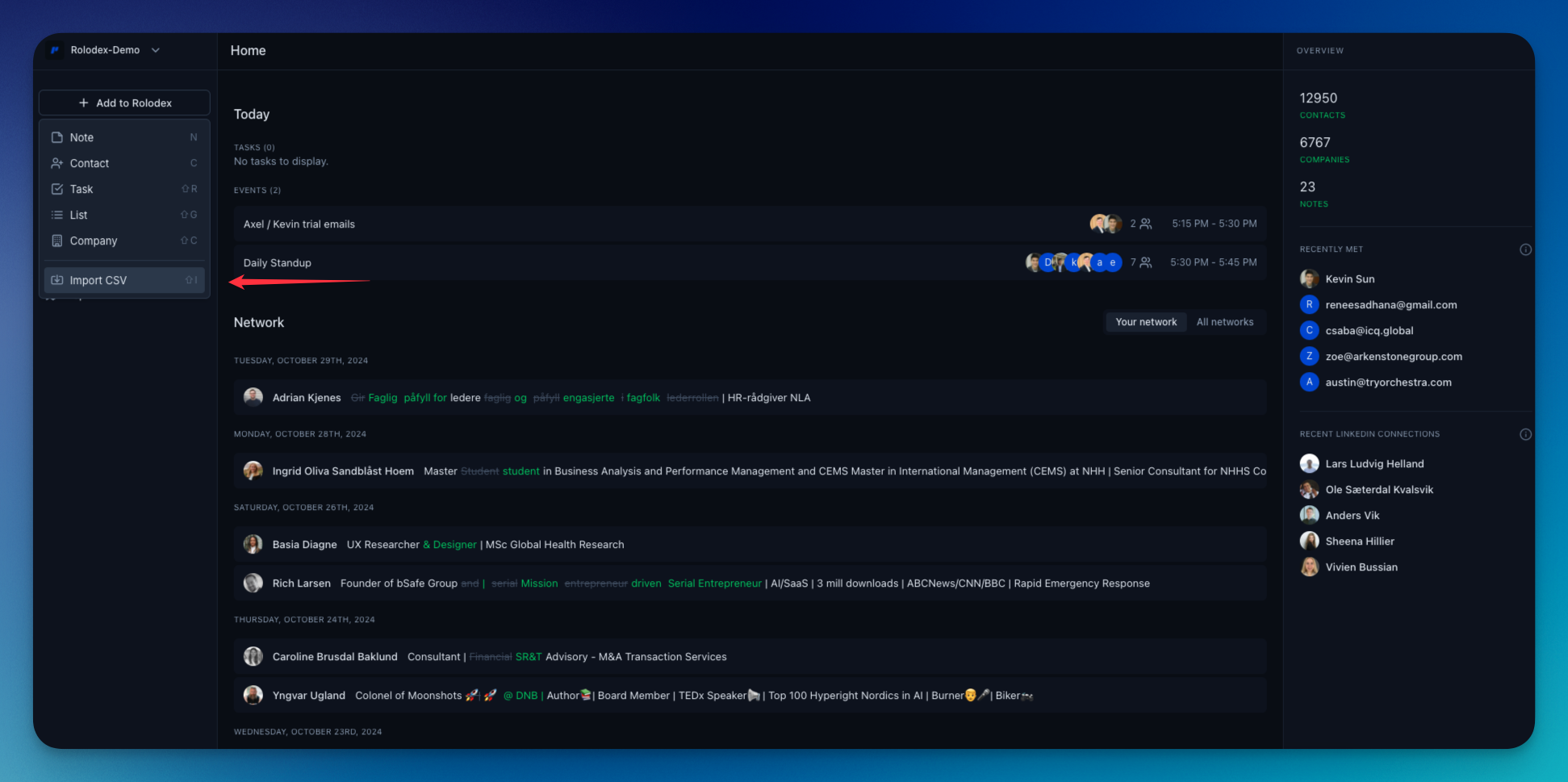
Find the Import from CSV button
The button can be found under “Add to Rolodex” in the top left corner of the home page.
2
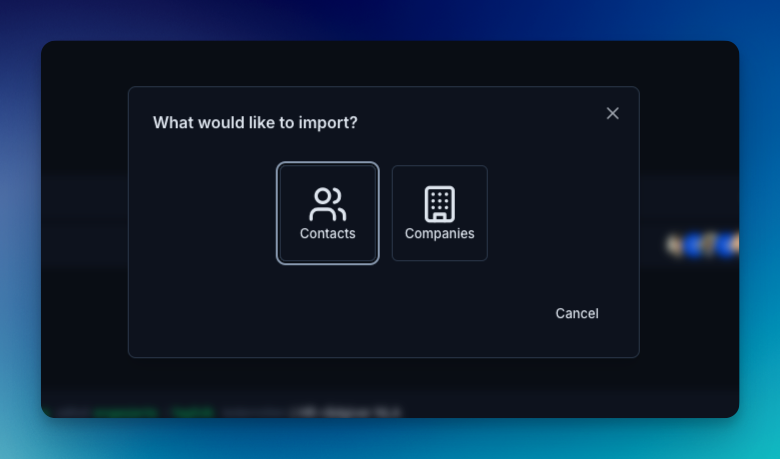
Import Contacts or Companies
Let Rolodex know if you are uploading more contacts or companies.
3
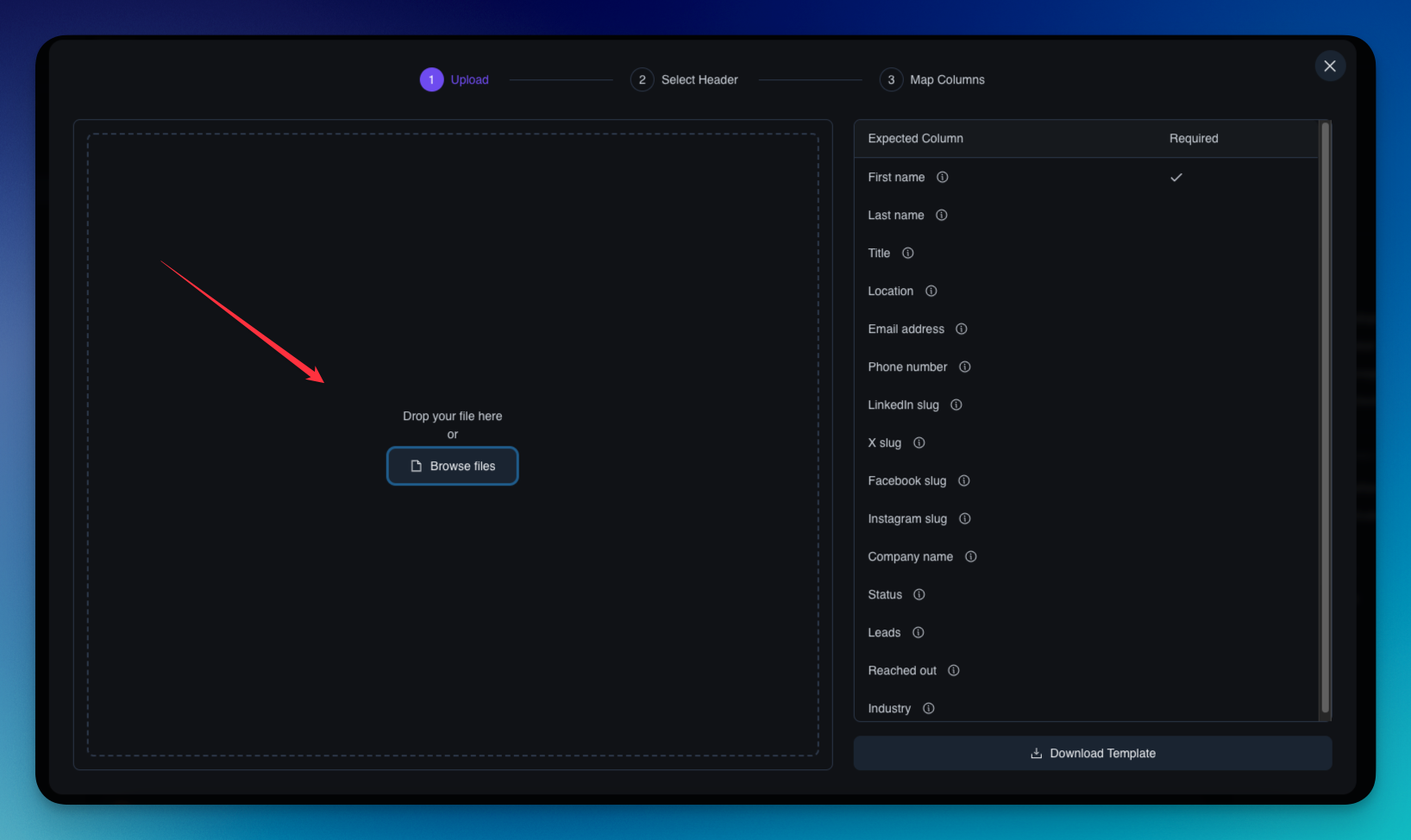
Upload your CSV file
Upload from your device or drop the file directly.
4
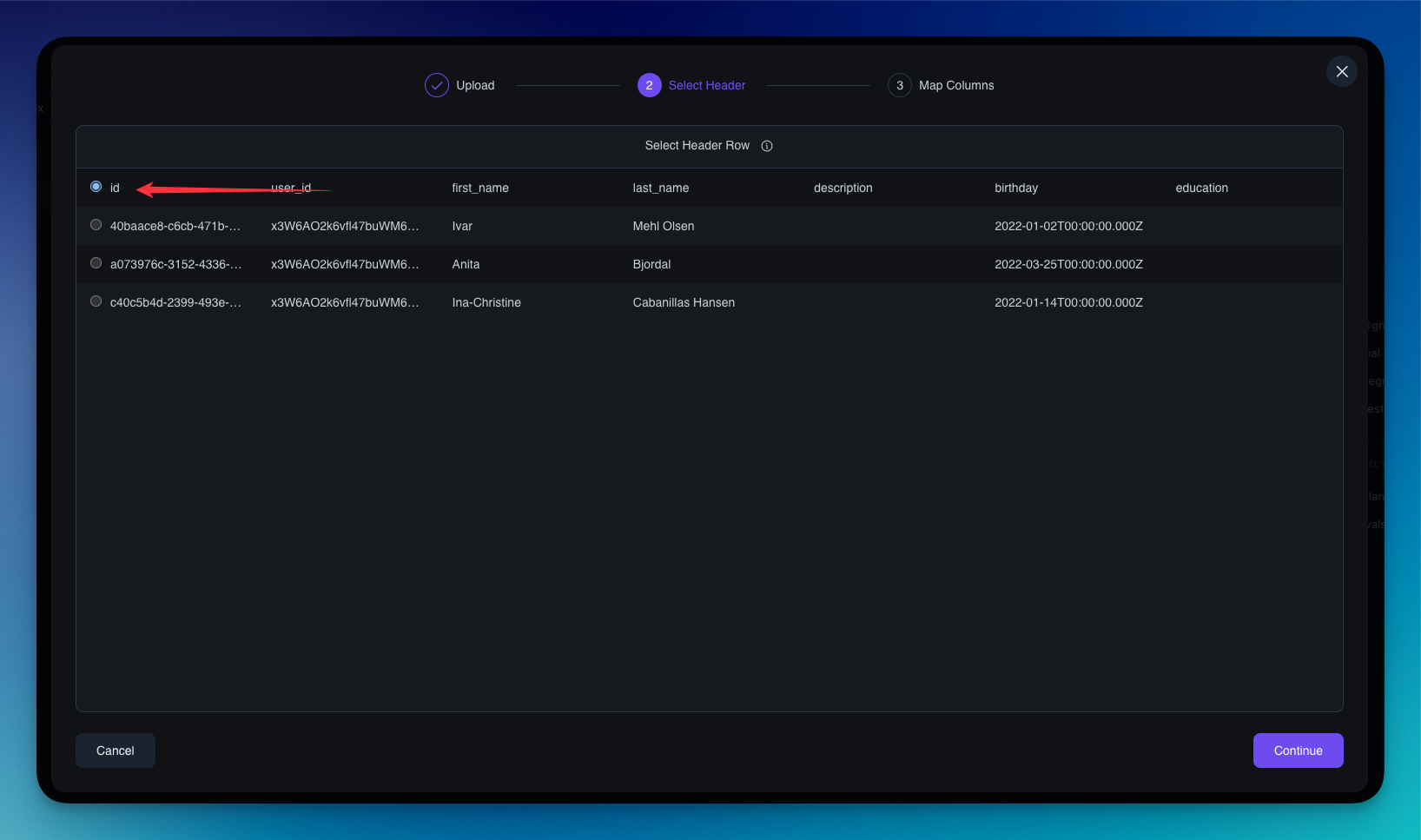
Choose the Header Row in your file
5
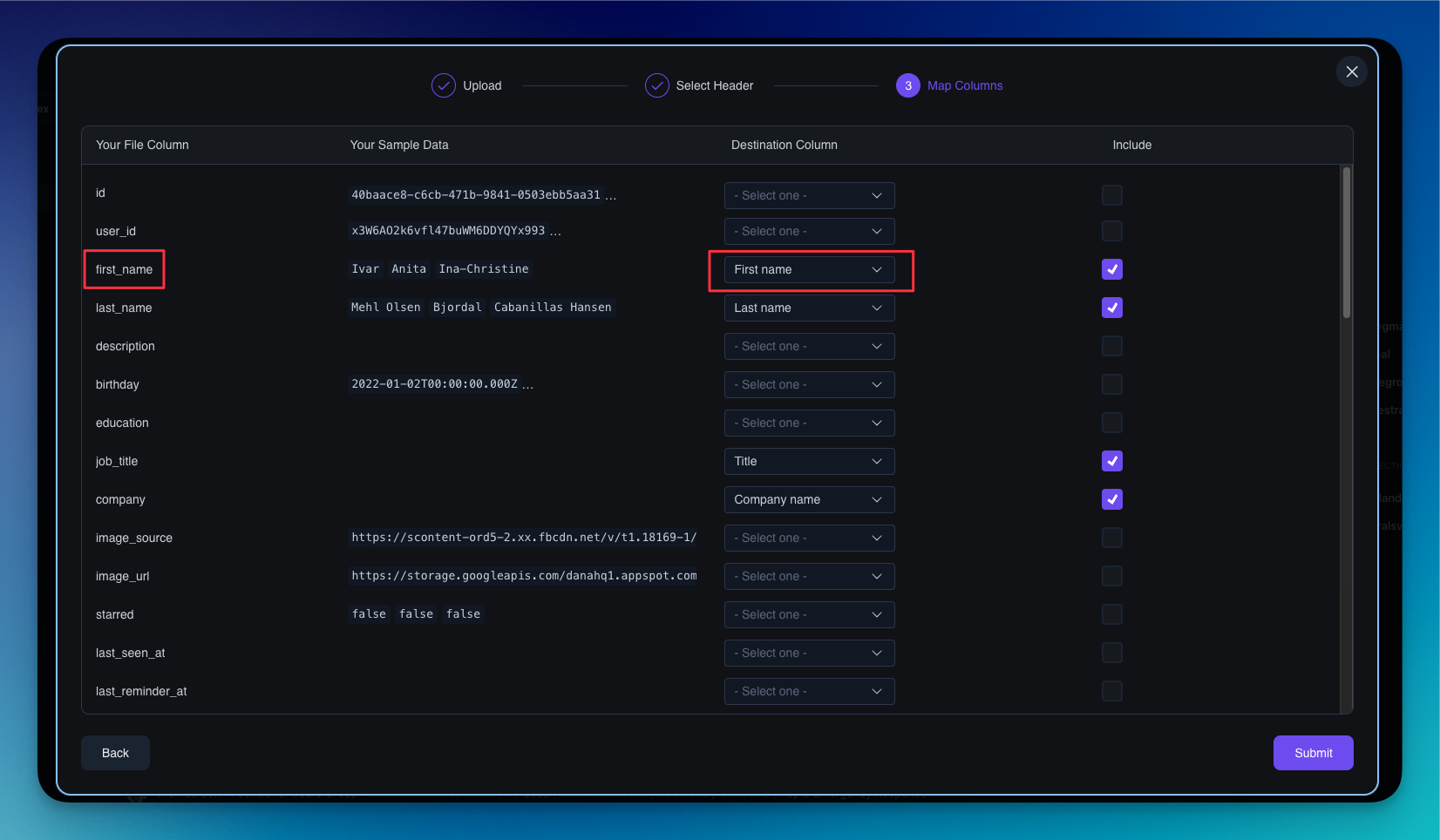
Choose destination columns for your data
Map a Company Name column and Rolodex will automatically link each contact to that company, creating the company if it doesn’t already exist.
Rolodex will then add your contacts or companies to your workspace.
Re-importing won’t create duplicates. If a row matches an existing contact (by email, then LinkedIn, then exact name), Rolodex updates that contact instead of creating a new one — filling in missing fields and adding any new emails or phone numbers without duplicating existing ones.
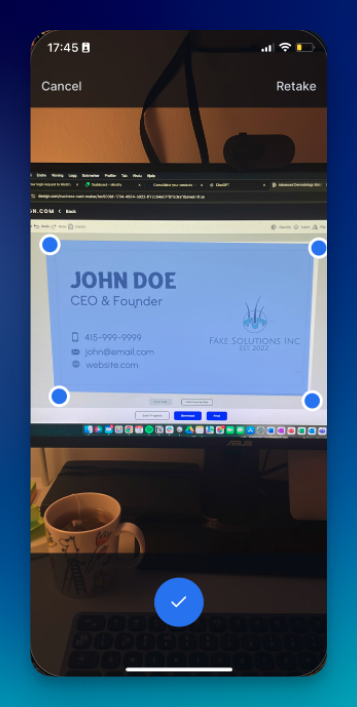
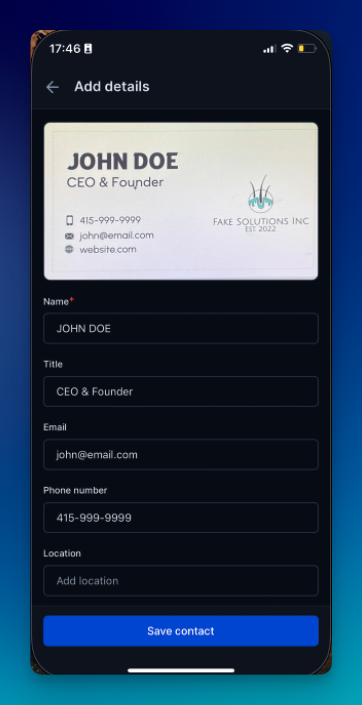
Whether from a networking event or your decades-old rolodex, business cards still are a common way to exchange contact information. Rolodex makes it seamless to work with (and digitize) business cards.The Rolodex Mobile App allows you to scan cards and add their information automatically to your team’s workspace.
1
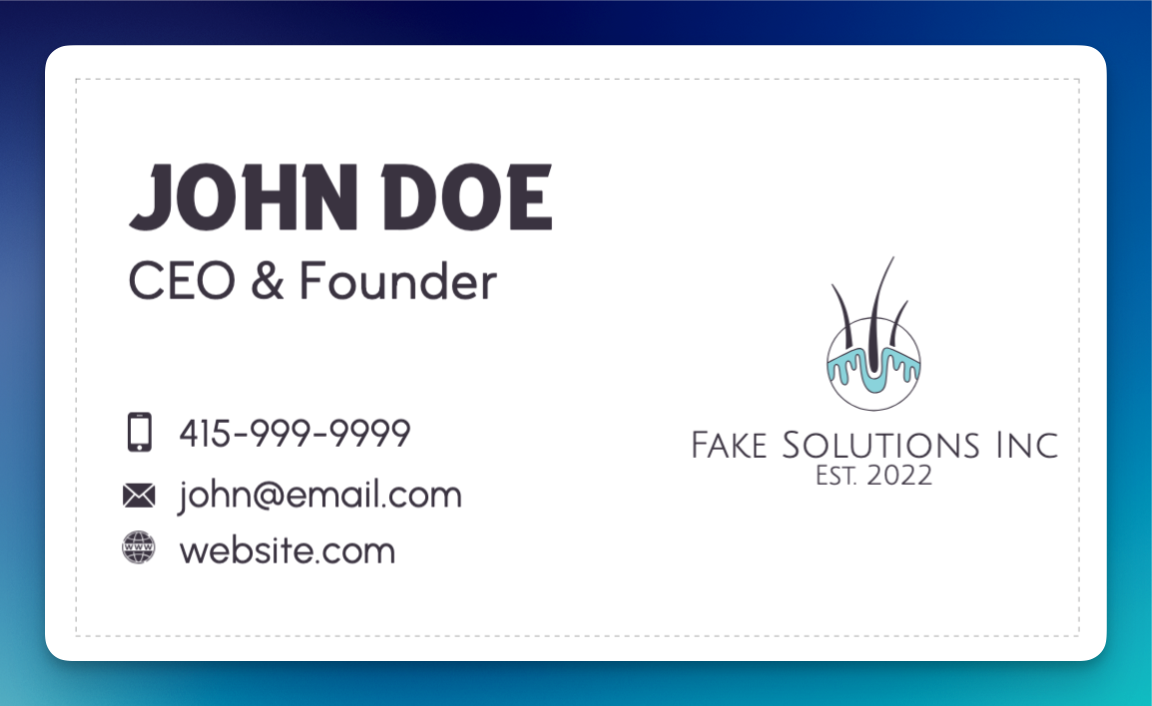
Have the Business Card Ready
2
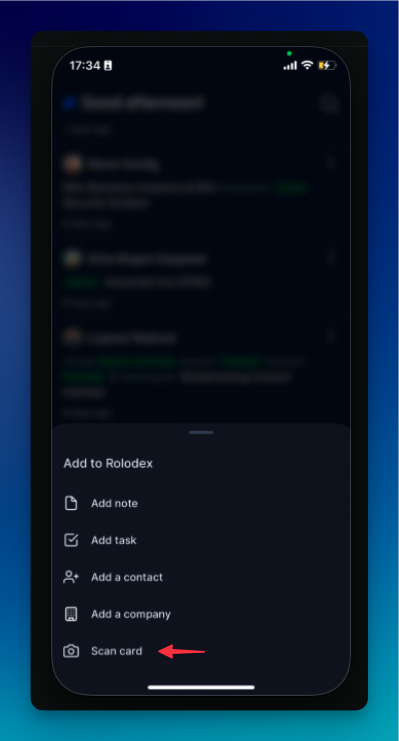
Find the Card Scanner
3
Take a picture of and mark the card
4
Rolodex will automatically populate the info
Moving over from Dex? You can import your contacts—and all their associated
data, including notes, timelines, and relationship history—directly into your
Rolodex workspace using your Dex API key.
Import your Dex contacts
Full walkthrough, with a video and step-by-step screenshots.
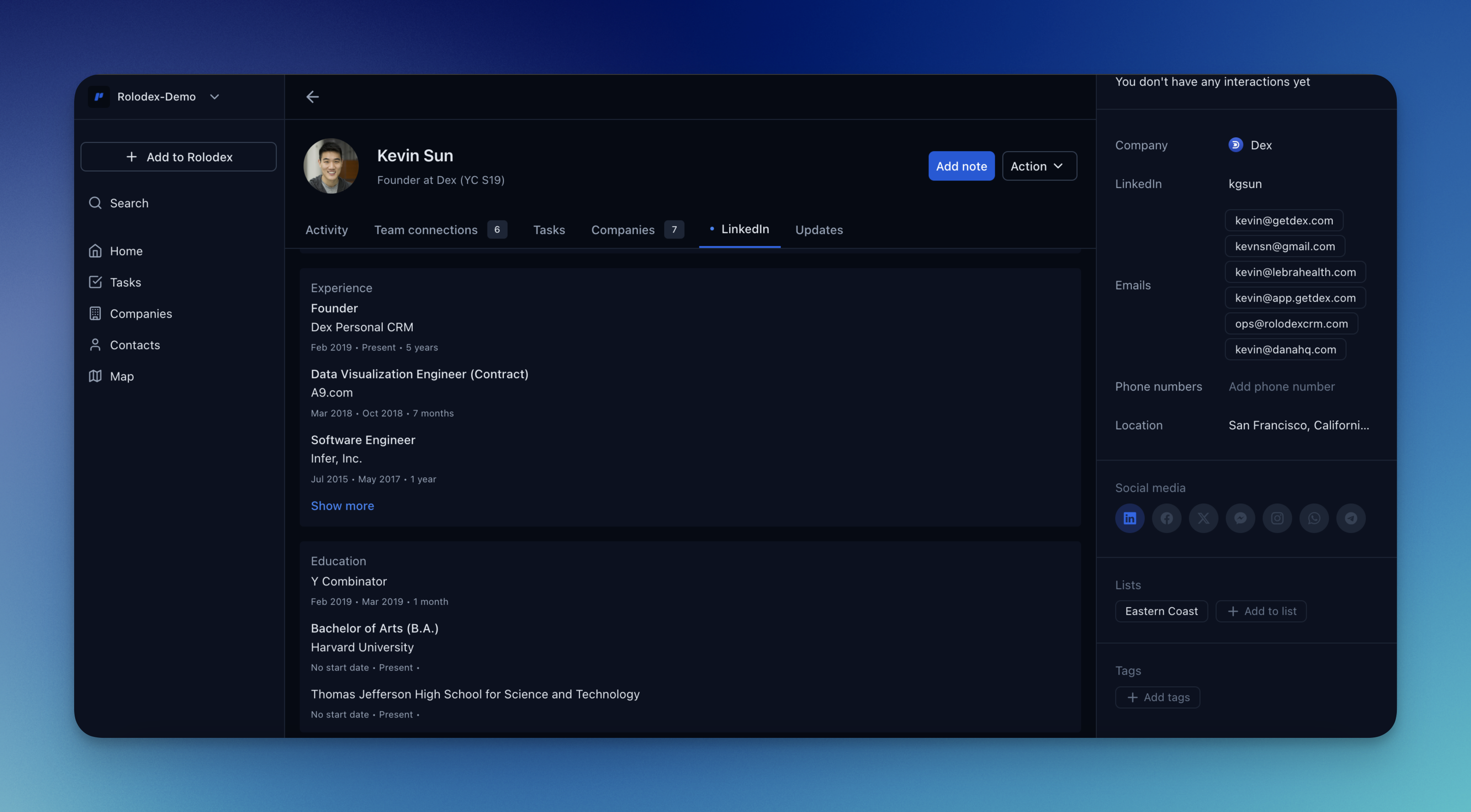
Rolodex has an ‘Enhance’ feature that will automatically update your contacts by pulling the following information from their LinkedIn profile:
LinkedIn Bio
Experience
Education
Location
Profile Photo
Title
This feature doesn’t work if your contact’s LinkedIn profile is set to private.
This feature activates after saving the URL of the contact’s LinkedIn profile. With the LinkedIn extension, you can easily add a contact directly from LinkedIn. All current contacts will be automatically imported, and new LinkedIn connections will be added to Rolodex automatically.
However you bring contacts in, the Merge & Fix page finds duplicate contacts and lets you combine them. You can merge every duplicate at once with Merge all, or review and merge duplicate groups one at a time.
Use the list filter at the top of the Merge & Fix → Contacts page (default All lists) to scope duplicate detection to a single list. Select a list and Merge all will only act on duplicates within that list — handy for cleaning up a specific list without touching the rest of your database.